Picture this: you’re a small business owner with a limited ad budget. Every dollar you spend has to move the needle. You know you need to be running ads, but you’re faced with the classic question: Google Ads or Meta Ads (Facebook & Instagram)?
Both platforms are powerful. Both can deliver results. But they work in very different ways. Choosing wisely can mean the difference between steady leads and wasted spend.
Table of Contents
Intent vs. Discovery
Google Ads: Primarily intent-driven. People are actively searching topics like “AC repair near me” and “best spiral staircase kits.” These clicks are usually high-quality because they already know what they need.
Meta Ads: Primarily discovery-driven. Your ad shows up in someone’s feed while they scroll. They weren’t actively looking, but you catch their eye. Perfect for lifestyle products, events, or services people don’t know they need yet.
Google captures demand. Meta creates it.
Takeaway: If you need fast leads, Google is often the better first step. If you want to build long-term brand recognition, Meta lays the groundwork.
Audience Targeting
Google: Keywords, location targeting, remarketing lists, custom segments.
Meta: Interests, lookalikes, demographics, behaviors.
Example: An HVAC company might rely on Google for “emergency AC repair” but use Meta to target homeowners with preseason maintenance offers.
Pro Tip: Google excels at matching ads to a person’s immediate need, while Meta’s strength lies in building audiences you can nurture over time.
Cost & ROI
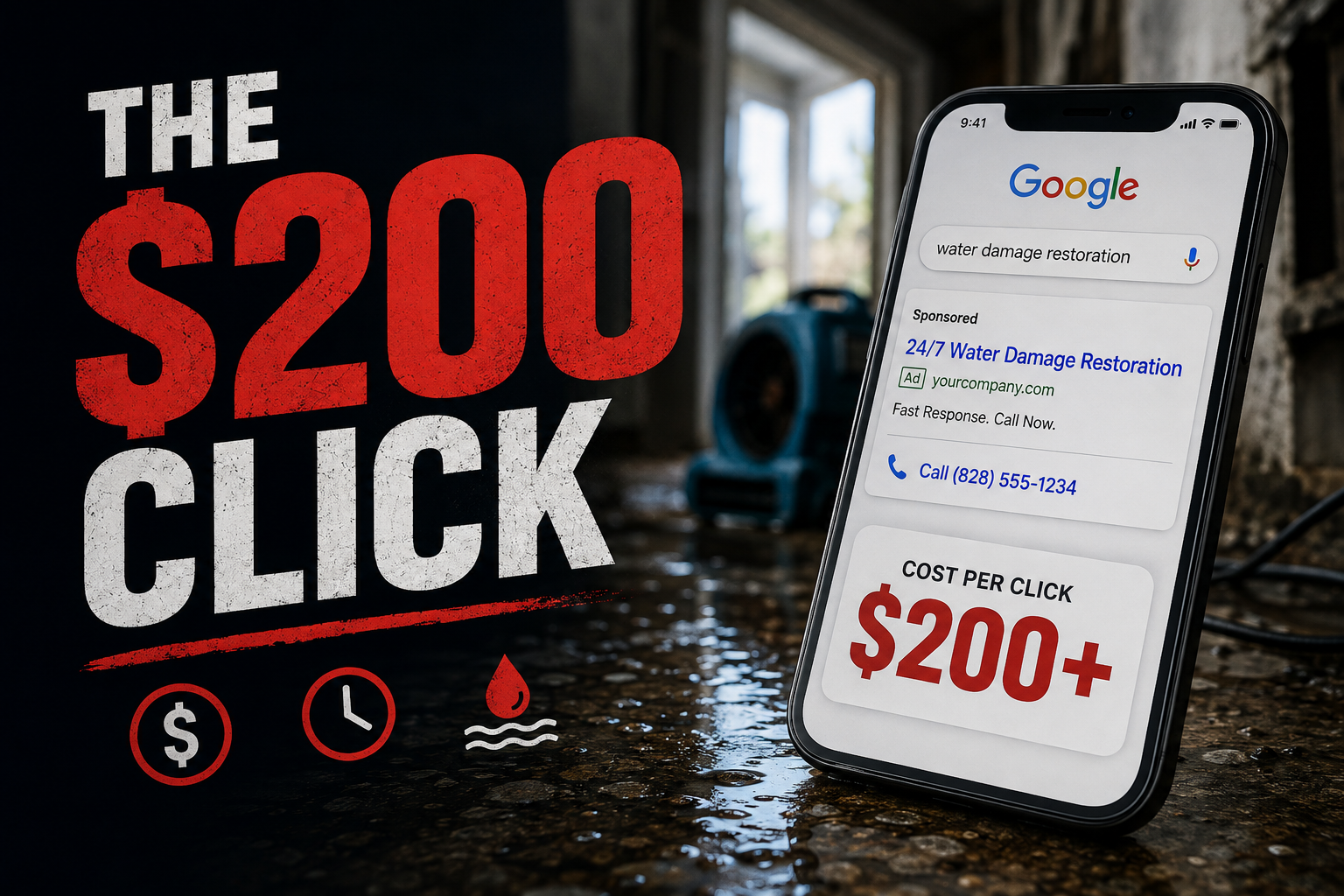
Google: CPCs are rising, but the leads are usually closer to buying.
Meta: CPMs are often cheaper, but people may take more nurturing before they convert.
Scenario: A roofer might pay more per click on Google but close jobs worth thousands. A boutique retailer could stretch a small budget further on Meta by focusing on lifestyle imagery and storytelling.
Takeaway: ROI isn’t just about cost per click. It’s about matching spend to the customer journey.
Creative Needs
Google: Text-first. Tight copy, strong CTAs, and a solid landing page are what make ads work.
Meta: Visual-first. Eye-catching images, video, and user-generated content win attention. But ads tire fast, so creative refreshes are a must.
Tip for Small Teams: Repurpose content. A customer review that becomes ad copy on Google can also be turned into a graphic testimonial on Meta.
When to Choose Google
– Local services with urgent demand (plumbing, HVAC, restoration).
– Ecommerce products with strong keyword search volume.
– Solutions with clear search intent.
Case in Point: A law firm advertising “personal injury attorney near me” will see faster returns on Google than Meta.
When to Choose Meta
– Lifestyle brands, retail, and hospitality.
– Businesses that sell through visuals and storytelling.
– Early-funnel: awareness, list-building, or education.
Case in Point: A new fitness studio might struggle to get search traffic at launch. Meta lets them build awareness locally with video tours, class highlights, and testimonials.
The Best Strategy: Use Both
The most effective approach blends the two:
– Google pulls in the ready-to-buy crowd.
– Meta keeps your brand in front of them, builds trust, and drives repeat visits.
Funnel Example:
1. A prospect searches “roof repair near me” and clicks a Google ad.
2. They don’t convert right away.
3. Later, they see a Meta ad with before-and-after roof photos and finally call.
Together, Google and Meta make sure you’re visible both when customers are searching and when they’re scrolling.
Final Word
There’s no universal winner. The right choice depends on your industry, audience, and budget. But if you start where your customers are most likely to act, then expand into the other platform you’ll get both short-term wins and long-term growth.
For many small businesses, the smartest move is simple: capture demand with Google, then build deeper connections with Meta. Done right, the two don’t compete, they complement.
Drive Measurable Growth with Expert Google & Meta Ads Management
Ready to capture more leads and increase sales? At 828 Marketing and Web, we specialize in creating and managing high-performing Google Ads and Meta Ads campaigns designed to deliver maximum ROI. Our team handles everything from strategy and keyword research to creative design, targeting, and ongoing optimization, so you can focus on running your business while we drive measurable growth. Whether you need to dominate search results with Google Ads or reach your audience on Facebook and Instagram with Meta Ads, we build campaigns that convert. Partner with us today and start turning clicks into customers.
FAQs
Which platform is more affordable for small businesses?
Meta often has a lower cost to reach people, but Google can deliver higher-quality leads faster. Affordability depends on whether you need awareness or immediate conversions.
Can I run both Google and Meta Ads with a small budget?
Yes, but you’ll need to prioritize. Many small businesses dedicate most of their spend to Google for lead generation, then set aside a smaller portion for Meta remarketing or list-building.
Do Google or Meta Ads work better for brand-new businesses?
It depends on the business model. A local emergency service should prioritize Google. A new retail shop or café might see more traction with Meta to build community buzz.